 1388xx888xx

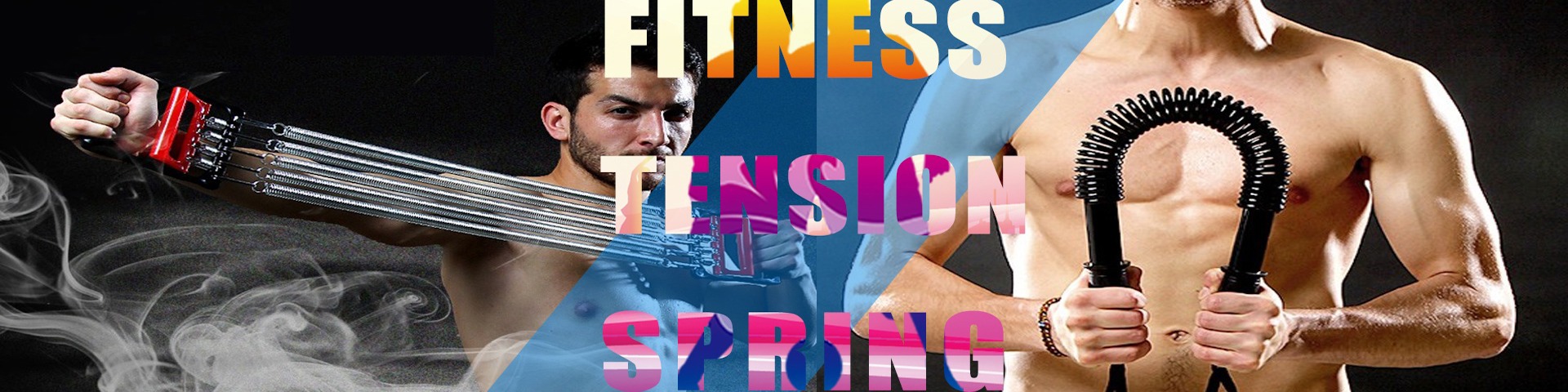

В мире, полном сложных технологий и абстрактных концепций, легко упустить из виду простые, но фундаментальные явления, такие как растяжение пружины. На первый взгляд, это может показаться элементарным физическим процессом, изучаемым в школьных учебниках, но на самом деле его важность простирается далеко за пределы классной комнаты. От инженерии и машиностроения до повседневных удобств и даже глобальной безопасности, растяжение пружины играет критическую роль, которую часто недооценивают. В этой статье мы углубимся в причины, по которым это явление заслуживает большего внимания, и explore, как оно формирует наш мир незаметно, но мощно.
Введение: зачем обращать внимание на растяжение пружины?
Растяжение пружины — это не просто действие приложения силы к упругому объекту; это воплощение принципов упругости, энергии и равновесия, которые лежат в основе множества инноваций. Закон Гука, описывающий это явление, является краеугольным камнем механики, но его implications выходят далеко за рамки теоретической физики. В современном обществе, где эффективность, надежность и безопасность paramount, понимание и оптимизация растяжения пружины могут привести к прорывам в различных областях. Например, в automotive industry, пружины в подвеске vehicles обеспечивают комфорт и стабильность, в то время как в медицинских устройствах, таких как хирургические инструменты, они способствуют precision и control. Игнорирование этого аспекта может привести к failures, accidents, или missed opportunities для улучшений. Таким образом, осознание важности растяжения пружины — это не merely академическое упражнение, а практическая необходимость для прогресса и устойчивости.
Исторический контекст: от древности до современности
История растяжения пружины уходит корнями в древние времена, когда первые цивилизации использовали упругие materials, такие как дерево или кость, для создания простых механизмов. Например, в Древнем Египте и Греции, пружиноподобные устройства применялись в catapults и locks, демонстрируя early understanding упругости. Однако, настоящий прорыв произошел в XVII веке с work Роберта Гука, который сформулировал закон, носящий его имя. Этот закон, F = kx, где F — сила, k — жесткость пружины, и x — смещение, стал фундаментом для классической механики. В последующие века, промышленная революция catapulted использование пружин в массовое production, от часовых механизмов до railway systems. Сегодня, в era цифровых технологий, пружины evolved to include advanced materials like shape-memory alloys, которые могут "remember" their original form после deformation, opening new possibilities в aerospace и robotics. This historical evolution highlights how растяжение пружины has been a silent driver of innovation, adapting to changing needs and technologies. Neglecting this history means missing lessons on resilience and adaptation that are relevant even in today's fast-paced world.
Основные принципы: закон Гука и beyond
At the core of растяжение пружины lies Hooke's Law, a deceptively simple equation that states the force exerted by a spring is proportional to its displacement from equilibrium. This linear relationship is foundational but has limitations; for instance, it assumes ideal conditions and small deformations. In reality, springs can exhibit non-linear behavior due to factors like material fatigue, temperature changes, or large strains. Understanding these nuances is crucial for applications where precision is key, such as in precision instruments or seismic dampers in buildings. Moreover, the concept of spring potential energy, stored when a spring is stretched or compressed, is vital for energy conservation systems. For example, in regenerative braking in vehicles, kinetic energy is converted into potential energy in springs, which can be reused, enhancing efficiency. Beyond mechanics, principles of elasticity relate to fields like biology (e.g., muscle contraction) and economics (e.g., elastic demand), showing the universality of these ideas. Thus, a deep grasp of растяжение пружины enriches not only engineering but also interdisciplinary thinking, fostering innovation across domains.
Приложения в инженерии и технологии
In engineering, растяжение пружины is indispensable. In mechanical engineering, springs are used in everything from simple clamps to complex machinery like internal combustion engines, where valve springs ensure timing and efficiency. In civil engineering, base isolators with springs protect structures from earthquakes by absorbing and dissipating energy. The automotive industry relies heavily on suspension systems with springs to provide comfort and handling, while aerospace uses springs in landing gear and control systems for reliability under extreme conditions. In technology, micro-springs in electronics enable connections in devices like smartphones, ensuring durability and performance. Additionally, advancements in materials science have led to smart springs with sensors that monitor stress and strain in real-time, enabling predictive maintenance and reducing downtime. These applications demonstrate that optimizing spring design—considering factors like material selection, fatigue life, and environmental factors—can lead to significant improvements in safety, efficiency, and cost-effectiveness. Overlooking this can result in catastrophic failures, as seen in historical incidents like bridge collapses or product recalls, emphasizing why растяжение пружины demands careful attention.
Роль в повседневной жизни
Beyond high-tech applications, растяжение пружины permeates daily life in subtle yet essential ways. Consider household items: mattresses with coil springs offer support and comfort, pens with springs enable retractable tips, and door hinges with springs ensure smooth operation. In sports, equipment like trampolines or archery bows relies on spring action for performance and safety. Even in health, orthopedic devices use springs for rehabilitation, aiding recovery from injuries. On a larger scale, infrastructure like bridges and buildings incorporates spring-based dampers to withstand natural forces, protecting communities. The convenience and safety we often take for granted are underpinned by well-designed spring systems. For instance, in child safety seats, springs absorb impact forces, reducing injury risks. This ubiquity means that improvements in spring technology can directly enhance quality of life, making it a topic worth broader public awareness and investment.
Будущие тенденции и инновации
The future of растяжение пружины is bright with innovations driven by emerging technologies. In robotics, soft robots use elastic actuators模仿 muscle-like movements for more natural interactions. In renewable energy, spring-based systems are being explored for energy storage, such as in compressed air energy storage, which could revolutionize grid stability. Nanotechnology is enabling nano-springs for applications in medicine, like targeted drug delivery or biosensors. Furthermore, with the rise of IoT, smart springs integrated with AI can provide real-time data for optimization in industries like manufacturing and transportation. Sustainability is another frontier; researchers are developing biodegradable springs from eco-friendly materials to reduce environmental impact. These trends highlight that растяжение пружины is not static but evolving, offering solutions to global challenges like climate change and healthcare. By investing in R&D in this area, societies can unlock new potentials, making it clear that its importance will only grow in the coming decades.
Вывод: почему это важно для всех
In conclusion, растяжение пружины is far more critical than commonly perceived. It is a cornerstone of physics that enables advancements across engineering, technology, daily life, and future innovations. From ensuring safety in earthquakes to enhancing efficiency in vehicles, its applications are vast and vital. Ignoring it can lead to inefficiencies, risks, and missed opportunities for progress. As we move towards a more interconnected and technologically advanced world, a deeper appreciation and investment in understanding and improving spring systems will pay dividends in sustainability, safety, and quality of life. Therefore, it is imperative for educators, engineers, policymakers, and the public to recognize and prioritize this fundamental concept. Let us not underestimate the power of a simple stretch—it might just be the key to unlocking the next big breakthrough.
Ключевой вывод: Растяжение пружины — это не просто физическое явление, а многогранный элемент, влияющий на innovation, safety, и everyday comfort. Его изучение и optimization могут привести к значительным improvements в различных сферах, делая его essential для будущего развития.