 1388xx888xx
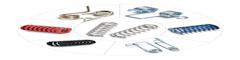
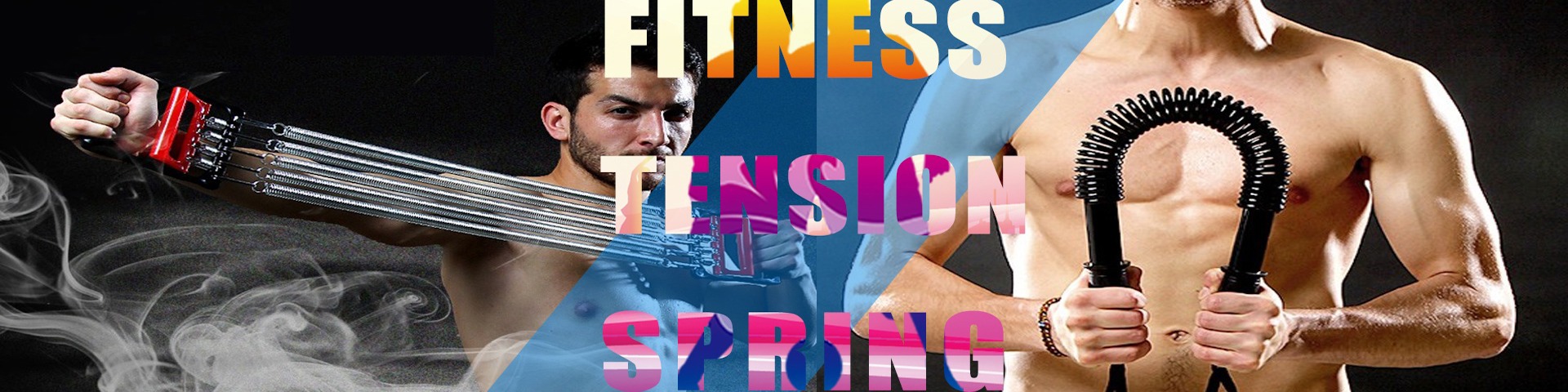


В мире современной промышленности, где каждая деталь играет решающую роль, пружины часто остаются незамеченными, но их значение невозможно переоценить. Эти простые механические компоненты, изготовленные из упругих материалов, служат основой для множества промышленных приложений, от тяжелого машиностроения до точной электроники. Качественные пружины обеспечивают стабильность, безопасность и долговечность оборудования, что напрямую влияет на производительность и экономическую эффективность предприятий. В этой статье мы углубимся в мир промышленных пружин, исследуя их типы, процессы производства, ключевые преимущества и будущие инновации, чтобы подчеркнуть, почему инвестиции в высококачественные пружины - это не просто выбор, а необходимость для успешной промышленной деятельности.
Промышленные пружины - это не просто металлические спирали; они являются результатом сложных инженерных расчетов и передовых производственных технологий. Их основная функция заключается в накоплении и высвобождении механической энергии, что позволяет компенсировать нагрузки, поглощать удары, поддерживать напряжения и обеспечивать точное движение в различных машинах. Без них многие промышленные процессы были бы невозможны или крайне неэффективны. Например, в автомобильной промышленности пружины используются в подвесках для обеспечения плавности хода, в аэрокосмической отрасли - для управления механизмами в экстремальных условиях, а в производственном оборудовании - для поддержания точности и повторяемости операций.
Однако не все пружины созданы равными. Качество пружины определяется множеством факторов, включая материал, дизайн, процесс изготовления и контроль качества. Низкокачественные пружины могут привести к катастрофическим последствиям, таким как поломки оборудования, простои производства и даже угрозы безопасности. Поэтому понимание того, что делает пружину качественной, является essential для любого промышленного оператора. В последующих разделах мы подробно рассмотрим эти аспекты, начиная с основ пружин и заканчивая передовыми тенденциями в отрасли.
Типы промышленных пружин и их применение
Промышленные пружины можно классифицировать на несколько основных типов, каждый из которых предназначен для specific applications. Наиболее распространенные типы включают винтовые пружины, листовые пружины, торсионные пружины и пружины сжатия/растяжения. Винтовые пружины, также известные как спиральные пружины, широко используются в механизмах, требующих линейного движения или усилия. Они могут быть designed для сжатия, растяжения или кручения, и их гибкость делает их идеальными для таких приложений, как клапаны, амортизаторы и инструменты.
Листовые пружины, состоящие из нескольких слоев металлических полос, часто применяются в транспортных средствах для подвески, где они обеспечивают прочность и способность поглощать удары. Торсионные пружины, которые работают на скручивание, используются в дверных механизмах, весах и других устройствах, требующих вращательного движения. Каждый тип пружины имеет свои уникальные характеристики, такие как жесткость, диапазон deflection и долговечность, которые должны быть тщательно подобраны в соответствии с требованиями конкретного оборудования.
Применение пружин в промышленности безгранично. В manufacturing sector, пружины используются в прессах, штампах и конвейерных системах для обеспечения точного усилия и движения. В energy industry, они critical для клапанов и safety devices в нефтегазовом оборудовании. В electronics, миниатюрные пружины обеспечивают контакт в разъемах и переключателях. Выбор правильного типа пружины зависит от factors such as load requirements, environmental conditions (e.g., temperature, corrosion), and space constraints. Например, в high-temperature environments, such as those found in metal processing, пружины из специальных сплавов, like Inconel, используются для maintaining performance under thermal stress.
Кроме того, пружины могут быть customized для specific needs. Advanced manufacturing techniques, such as computer-aided design (CAD) and finite element analysis (FEA), allow engineers to optimize spring designs for maximum efficiency and longevity. This customization ensures that the spring not only meets the functional requirements but also integrates seamlessly into the overall system, reducing wear and tear on other components.
Процесс производства качественных пружин
Производство высококачественных пружин - это сложный процесс, который начинается с выбора подходящего материала. Наиболее commonly used materials include high-carbon steel, stainless steel, alloy steels, and non-ferrous metals like brass or titanium. The choice of material depends on the application's demands; for instance, stainless steel offers excellent corrosion resistance, making it ideal for marine or chemical environments, while high-carbon steel provides superior strength for heavy-duty applications.
The manufacturing process typically involves several steps: wire forming, heat treatment, surface finishing, and quality control. Wire forming is done using specialized machinery that coils the wire into the desired shape. This step requires precision to ensure consistent dimensions and mechanical properties. Heat treatment, such as tempering or annealing, is crucial for enhancing the spring's elasticity and durability by relieving internal stresses and improving microstructure.
Surface finishing, including processes like shot peening or coating, protects the spring from corrosion and wear, extending its service life. Quality control is integral throughout the process, with inspections for dimensional accuracy, load testing, and fatigue analysis to ensure that each spring meets stringent industry standards, such as those set by ISO or ASTM. Advanced technologies, like automated optical inspection and non-destructive testing, are employed to detect defects early and prevent failures in the field.
Investing in quality manufacturing not only ensures reliability but also reduces long-term costs by minimizing downtime and maintenance. For example, a well-made spring can withstand millions of cycles without significant degradation, whereas a poor-quality one might fail prematurely, leading to expensive repairs or replacements. Thus, partnering with reputable manufacturers who adhere to best practices is essential for obtaining springs that deliver consistent performance.
Преимущества использования качественных пружин
Использование высококачественных пружин приносит numerous benefits to industrial operations. First and foremost, они enhance safety by providing reliable performance under varying loads and conditions. In critical applications, such as aerospace or medical devices, a failure could have severe consequences, so quality springs are non-negotiable. They also improve efficiency by ensuring smooth and precise operation of machinery, which can lead to higher productivity and reduced energy consumption.
Durability is another key advantage. Quality springs are designed to resist fatigue, corrosion, and other forms of degradation, resulting in a longer lifespan and lower total cost of ownership. This is particularly important in industries with harsh environments, where equipment is exposed to extreme temperatures, chemicals, or abrasive materials. By choosing springs made from appropriate materials and with proper treatments, companies can avoid frequent replacements and associated downtime.
Moreover, качественные пружины contribute to environmental sustainability. Durable components reduce waste and the need for raw materials, while efficient operation minimizes energy usage. In some cases, springs can be recycled at the end of their life, further supporting circular economy initiatives. From an economic perspective, the initial investment in quality springs is often offset by savings in maintenance, repairs, and operational inefficiencies, making it a wise long-term strategy for any business.
Real-world examples abound. In the automotive industry, high-quality suspension springs improve ride comfort and vehicle handling, enhancing customer satisfaction. In manufacturing, reliable springs in assembly lines ensure consistent product quality and reduce defect rates. By prioritizing quality, industries can build a reputation for reliability and innovation, which can be a competitive advantage in the global market.
Будущие тенденции и инновации в области пружин
Отрасль промышленных пружин continuously evolves with advancements in materials science, manufacturing technologies, and digitalization. One emerging trend is the use of smart materials, such as shape memory alloys or piezoelectric materials, which can change properties in response to external stimuli like temperature or electricity. These innovations enable springs that can self-adjust or monitor their own condition, leading to smarter and more adaptive industrial systems.
Additive manufacturing, or 3D printing, is another game-changer. It allows for the production of complex spring geometries that were previously impossible with traditional methods, offering customization and rapid prototyping capabilities. This technology is particularly useful for creating lightweight springs with optimized performance characteristics, ideal for aerospace and automotive applications where weight reduction is critical.
Digital twins and IoT integration are also becoming prevalent. By embedding sensors in springs, companies can monitor real-time data on load, stress, and wear, enabling predictive maintenance and reducing unplanned downtime. This data-driven approach not only improves reliability but also provides valuable insights for future design improvements. Additionally, sustainability initiatives are driving the development of eco-friendly materials and processes, such as using recycled metals or reducing energy consumption during manufacturing.
Looking ahead, the future of industrial springs will likely involve greater integration with automation and AI. For instance, AI algorithms can optimize spring designs based on vast datasets, leading to more efficient and reliable products. As industries push towards Industry 4.0, springs will play a vital role in creating interconnected and intelligent manufacturing environments. By staying abreast of these trends, businesses can leverage the latest innovations to enhance their operations and maintain a competitive edge.
Заключение: Почему качество пружин имеет значение
В заключение, качественные пружины являются незаменимым компонентом современного промышленного оборудования. Они обеспечивают надежность, безопасность и эффективность, которые directly impact the success of industrial operations. From their diverse types and applications to the intricate manufacturing processes and future innovations, it is clear that investing in high-quality springs is not merely a technical decision but a strategic one that can yield significant returns in terms of performance, cost savings, and sustainability.
As we move towards an increasingly automated and demanding industrial landscape, the role of springs will only grow in importance. By choosing springs from reputable suppliers, adhering to best practices in design and maintenance, and embracing new technologies, companies can ensure that their equipment operates at peak efficiency for years to come. Remember, in the world of industry, every spring counts – make sure yours are of the highest quality.
This comprehensive exploration underscores why качественные пружины should be a priority for any industrial stakeholder. Whether you are involved in manufacturing, energy, transportation, or any other sector, understanding and implementing best practices in spring selection and usage can lead to tangible benefits. So, take the time to evaluate your current spring solutions and consider how upgrades or innovations could enhance your operations. The future of industry depends on it.