 1388xx888xx


В современном промышленном мире безопасность оборудования и машин является одним из ключевых приоритетов, влияющих не только на производительность, но и на жизни людей. Среди множества компонентов, которые требуют тщательного контроля, пружины играют особую роль. Эти, казалось бы, простые элементы присутствуют практически во всех механизмах: от автомобильных подвесок до авиационных систем и медицинских устройств. Их надежность напрямую определяет работоспособность и безопасность всей системы. В этой статье мы подробно исследуем, почему тестирование пружин так важно, охватывая технические аспекты, стандарты, риски и практические рекомендации для инженеров и производителей.
Введение в тему: Роль пружин в оборудовании
Пружины – это упругие элементы, предназначенные для накопления и высвобождения энергии. Они используются в различных функциях, таких как амортизация, возврат механизмов в исходное положение, поддержание давления или обеспечение точности в измерительных приборах. Например, в автомобильной промышленности пружины являются частью подвески, поглощая удары от неровностей дороги, что обеспечивает комфорт и безопасность водителя и пассажиров. В авиации пружины применяются в системах управления, где любой отказ может привести к катастрофическим последствиям. Даже в бытовых приборах, таких как стиральные машины или дверные замки, пружины обеспечивают корректную работу.
Однако, несмотря на их распространенность, пружины часто воспринимаются как второстепенные детали. Это заблуждение может привести к серьезным проблемам. Пружина, которая не прошла должное тестирование, может внезапно сломаться, вызвав цепную реакцию отказов в оборудовании. Представьте себе промышленный пресс: если пружина, отвечающая за возврат механизма, выйдет из строя, это может привести к травмам оператора или повреждению дорогостоящего оборудования. Поэтому понимание важности тестирования пружин – это не просто техническая необходимость, а вопрос ответственности за безопасность.
В этой статье мы углубимся в детали, начиная с основ конструкции пружин, переходя к методам тестирования, международным стандартам, и заканчивая реальными case studies. Мы также обсудим, как современные технологии, такие как неразрушающий контроль и компьютерное моделирование, улучшают процессы тестирования. Цель – предоставить comprehensive guide для профессионалов, подчеркивая, что инвестиции в качественное тестирование окупаются многократно через повышение надежности и снижение рисков.
Основные типы пружин и их применение
Прежде чем обсуждать тестирование, важно понять разнообразие пружин и их специфические роли. Пружины классифицируются по форме, материалу и назначению. Наиболее распространенные типы включают:
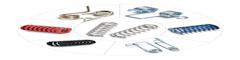
- Винтовые пружины: Это спиральные элементы, используемые для сжатия, растяжения или кручения. Они широко применяются в автомобильных подвесках, промышленных машинах и даже в ручках. Например, пружины сжатия в амортизаторах автомобилей должны выдерживать циклические нагрузки, чтобы обеспечить плавность хода.
- Листовые пружины: Состоящие из нескольких слоев металла, они常用于 в транспортных средствах для поддержки веса и поглощения вибраций. Их отказ может привести к потере управления, особенно в грузовиках или автобусах.
- Торсионные пружины: Работающие на скручивание, они используются в дверных механизмах или сельскохозяйственной технике. Неправильная калибровка может вызвать преждевременный износ.
- Плоские пружины: Часто встречающиеся в электронных устройствах, они обеспечивают контакт или возвратное движение. В медицинском оборудовании, таком как хирургические инструменты, их надежность критична для точности процедур.
Каждый тип пружины требует уникальных подходов к тестированию, основанных на ожидаемых нагрузках и условиях эксплуатации. Например, пружины в аэрокосмической отрасли должны соответствовать строгим стандартам из-за экстремальных температур и давлений, в то время как пружины в бытовой технике могут тестироваться на долговечность при меньших нагрузках.
Материалы для пружин также варьируются: сталь, нержавеющая сталь, титан или даже полимеры. Выбор материала влияет на свойства, такие как упругость, коррозионная стойкость и усталостная прочность. Тестирование должно учитывать эти факторы, чтобы гарантировать, что пружина не деградирует со временем. Например, в морской среде пружины из нержавеющей стали тестируются на устойчивость к соли, чтобы предотвратить коррозию и внезапный отказ.
Применение пружин охватывает почти все отрасли: автомобилестроение, авиация, энергетика, медицина и consumer goods. В каждом случае безопасность зависит от того, насколько хорошо пружина выполняет свою функцию. Таким образом, тестирование становится неотъемлемой частью процесса проектирования и производства.
Риски, связанные с ненадежными пружинами
Отказ пружины может иметь катастрофические последствия, варьирующиеся от финансовых потерь до угрозы жизни. Рассмотрим основные риски:
- Производственные аварии: На заводах пружины используются в прессах, конвейерах и роботизированных системах. Если пружина ломается под нагрузкой, это может привести к травмам работников. Например, в металлообрабатывающей промышленности отказ пружины в штамповочном прессе может вызвать незапланированное движение, resulting in crushed limbs or fatalities. Статистика показывает, что до 10% промышленных инцидентов связаны с отказами механических компонентов, включая пружины.
- Транспортные катастрофы: В автомобилях пружины подвески критичны для stability и control. Если пружина corrosion или усталость, это может привести к потере управления на высокой скорости, вызывая аварии. В авиации пружины в системах управления полетом должны быть безупречными; любой дефект может compromise безопасность полета, как это было в исторических случаях, таких как инциденты с шасси.
- Экономические потери: Выход из строя пружины в промышленном оборудовании может остановить производственную линию, leading to downtime and lost revenue. For instance, in the energy sector, springs in valve assemblies must withstand high pressures; failure could cause leaks or explosions, resulting in environmental damage and costly repairs. The recall of products due to spring defects also tarnishes brand reputation and incurs significant costs.
- Юридические и regulatory последствия: Производители equipment are subject to regulations like ISO standards or OSHA guidelines. Neglecting spring testing can lead to non-compliance, lawsuits, and fines. In medical devices, for example, springs must meet FDA requirements; a failure could result in patient harm and legal action.
Эти риски подчеркивают необходимость proactive testing. Регулярные проверки и adherence to standards can mitigate most of these issues, ensuring that springs perform reliably throughout their lifespan.
Методы тестирования пружин: От базовых к продвинутым
Тестирование пружин involves a range of methods to evaluate their mechanical properties, durability, and safety. These methods can be categorized into destructive and non-destructive testing (NDT).
Деструктивное тестирование
Destructive testing involves subjecting springs to extreme conditions until failure, to determine their limits. Common methods include:
- Тест на усталость: Springs are cyclically loaded to simulate real-world usage. For example, a compression spring might be compressed and released thousands of times to assess its endurance limit. This helps identify the number of cycles before failure, which is crucial for applications like automotive suspensions where springs undergo constant stress.
- Тест на прочность при растяжении/сжатии: Springs are pulled or compressed to measure their yield strength, ultimate strength, and deformation characteristics. This ensures they can handle maximum loads without permanent deformation. Equipment such as universal testing machines is used for this purpose.
- Коррозионные тесты: Springs are exposed to corrosive environments (e.g., salt spray) to evaluate material degradation. This is vital for marine or outdoor applications where corrosion can weaken springs over time.
While destructive testing provides valuable data, it destroys the sample, so it's typically done on a batch basis during manufacturing quality control.
Неразрушающее тестирование (NDT)
NDT methods allow inspection without damaging the spring, making them ideal for in-service checks. Key techniques include:
- Визуальный осмотр: Simple yet effective, inspectors look for visible defects like cracks, corrosion, or deformation. Magnifying tools or borescopes can aid in detecting small imperfections.
- Ультразвуковое тестирование: Uses high-frequency sound waves to detect internal flaws. For springs, this can identify hidden cracks or voids that might lead to failure. It's commonly used in aerospace for critical components.
- Магнитопорошковый метод: Applicable to ferromagnetic materials, this method reveals surface cracks by applying magnetic particles. It's efficient for detecting fatigue cracks in steel springs.
- Рентгеновское исследование
Advanced methods like finite element analysis (FEA) simulate spring behavior under various loads using computer models. This allows designers to predict performance and identify potential failure points before physical testing, saving time and resources.
Combining these methods ensures comprehensive assessment. For instance, in the automotive industry, springs undergo fatigue testing during R&D, followed by regular NDT inspections during maintenance cycles.
Международные стандарты и regulations
To ensure consistency and safety, various international standards govern spring testing. Adhering to these standards is mandatory for manufacturers and users alike.
- ISO standards: The International Organization for Standardization provides guidelines like ISO 2162 for technical drawings of springs, ISO 10243 for tooling springs, and ISO 11891 for fatigue testing. These standards specify dimensions, tolerances, and test procedures to ensure interoperability and reliability.
- ASTM standards: The American Society for Testing and Materials offers standards such as ASTM A125 for steel springs, which covers material requirements and testing methods. ASTM E8 is used for tension testing of metallic materials, including springs.
- Industry-specific regulations: In aerospace, standards like AS9100 require rigorous testing for springs used in aircraft. In automotive, regulations from bodies like the NHTSA (National Highway Traffic Safety Administration) mandate safety tests for suspension components. Medical devices follow FDA guidelines, which include biocompatibility and durability testing for springs.
Compliance with these standards not only enhances safety but also facilitates global trade. For example, a spring manufacturer in Europe must meet ISO standards to export products to other regions. Regular audits and certifications, such as ISO 9001 for quality management, ensure that testing processes are consistently applied.
Moreover, standards evolve with technology. Recent updates incorporate digital tools and sustainability aspects, encouraging the use of eco-friendly materials and energy-efficient testing methods.
Case Studies: Реальные примеры важности тестирования
Real-world incidents highlight the critical need for spring testing. Here are a few notable examples:
- Автомобильный отзыв: In 2010, a major car manufacturer recalled thousands of vehicles due to faulty suspension springs. The springs, made from substandard material, corroded prematurely, leading to failures that caused accidents. Investigation revealed that inadequate testing during production allowed defective springs to enter the market. The recall cost millions and damaged the company's reputation, underscoring the importance of rigorous material and corrosion testing.
- Авиационный инцидент: In the 1990s, an aircraft experienced landing gear failure due to a broken torsion spring. The spring had undetected fatigue cracks from repetitive stress. Subsequent investigation led to enhanced NDT protocols in the aerospace industry, including mandatory ultrasonic inspections for critical springs. This case demonstrated how regular testing could prevent disasters.
- Промышленная авария: At a manufacturing plant, a spring in a hydraulic press failed during operation, causing the press to jam and injure an operator. The spring had not been tested for overload conditions. After the incident, the company implemented a preventive maintenance program with periodic spring inspections, reducing downtime and improving safety.
These cases show that investing in testing is not just about compliance; it's about saving lives and resources. They also illustrate the value of learning from failures to improve standards and practices.
Современные тенденции и технологии в тестировании пружин
The field of spring testing is advancing with technology, making processes more efficient and accurate.
- Автоматизация и робототехника: Automated testing systems can handle high volumes of springs with minimal human intervention. Robots equipped with sensors perform repetitive tests, ensuring consistency and reducing human error. For example, in automotive assembly lines, robotic arms test springs for load-deflection characteristics before installation.
- Интернет вещей (IoT): Smart springs embedded with sensors can monitor their own condition in real-time. These sensors measure parameters like strain, temperature, and vibration, transmitting data to central systems for analysis. This allows predictive maintenance, where issues are addressed before they cause failures. In industrial settings, IoT-enabled springs can alert operators to impending problems, enhancing safety.
- Искусственный интеллект и машинное обучение: AI algorithms analyze test data to predict spring lifespan or identify patterns indicative of defects. Machine learning models trained on historical failure data can improve the accuracy of NDT methods, reducing false positives and negatives.
- Аддитивное производство (3D-печать): With the rise of 3D-printed springs, testing methods are adapting to new materials and geometries. Non-destructive techniques like CT scanning are used to verify the integrity of printed springs, which might have unique internal structures.
These innovations not only improve testing efficiency but also make it more accessible. Smaller companies can now use portable testing devices or cloud-based analysis tools, democratizing access to high-quality testing.
Практические рекомендации для инженеров и производителей
Based on the discussed insights, here are practical steps to ensure spring safety:
- Включите тестирование в процесс проектирования: During the design phase, use FEA and simulation tools to model spring behavior. Select materials based on application requirements (e.g., corrosion resistance for outdoor use). Establish clear testing protocols early on.
- Регулярное техническое обслуживание и инспекции: Implement a maintenance schedule that includes visual inspections and NDT for springs in service. For critical applications, perform tests annually or after a certain number of operating hours. Keep records of all tests for traceability.
- Обучение персонала: Ensure that technicians are trained in proper testing techniques and aware of relevant standards. Continuous education on new technologies can prevent oversights.
- Партнерство с accredited лабораториями: For complex testing, collaborate with certified labs that have the expertise and equipment to conduct thorough assessments. This is especially important for industries like aerospace or medical devices.
- Используйте данные для continuous improvement: Analyze test results to identify trends and areas for improvement. Feedback from failures should inform future designs and testing procedures.
By following these guidelines, organizations can minimize risks and enhance the reliability of their equipment.
Заключение: Непреходящая важность тестирования пружин
В заключение, тестирование пружин является vital component of equipment and machine safety. From preventing accidents to ensuring regulatory compliance, the benefits are manifold. As technology evolves, testing methods become more sophisticated, but the core principle remains: proactive assessment saves lives and resources. Whether you are an engineer, manufacturer, or end-user, prioritizing spring testing is an investment in safety and efficiency. Remember, a small spring can have a big impact – never underestimate its importance.
Для дальнейшего изучения, обратитесь к стандартам ISO и ASTM, или проконсультируйтесь с экспертами в данной области. Безопасность начинается с внимания к деталям, и пружины – это именно та деталь, которая заслуживает самого пристального контроля.