 1388xx888xx

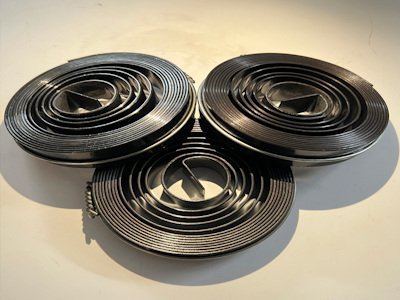
В современном мире промышленности и машиностроения долговечность оборудования является ключевым фактором, определяющим эффективность, безопасность и экономическую выгоду. Одним из критически важных компонентов, влияющих на этот аспект, являются пружины. Эти, казалось бы, простые элементы играют огромную роль в обеспечении стабильности, амортизации и передачи усилий в механизмах. Однако выбор неподходящего материала для пружин может привести к преждевременному износу, поломкам и значительным финансовым потерям. В этой статье мы подробно рассмотрим, как правильно выбрать материал для пружин, чтобы максимизировать долговечность вашего оборудования, охватив теоретические основы, практические аспекты и современные тенденции в этой области.
Введение в важность выбора материала пружин
Пружины используются практически во всех отраслях: от автомобилестроения и аэрокосмической индустрии до бытовой техники и медицинских устройств. Их основная функция – накопление и высвобождение механической энергии, что позволяет смягчать удары, поддерживать нагрузки и обеспечивать точное движение. Однако эксплуатационные условия могут варьироваться от экстремальных температур и агрессивных сред до высоких нагрузок и циклических напряжений. Именно поэтому материал, из которого изготовлена пружина, должен обладать набором специфических свойств, таких как высокая упругость, прочность, коррозионная стойкость и усталостная долговечность. Неправильный выбор может не только сократить срок службы пружины, но и повлиять на всю систему, приводя к дорогостоящим простоям и ремонтам. В этом разделе мы обсудим, почему материал так важен, и как он связан с общей надежностью оборудования.
Основные свойства материалов для пружин
Чтобы понять, какой материал идеален для пружин, необходимо разобраться в ключевых свойствах, которые определяют их performance. Во-первых, упругость – способность материала возвращаться к исходной форме после деформации. Это обеспечивается высоким модулем упругости, например, у сталей он составляет около 200 ГПа. Во-вторых, прочность – сопротивление материала разрушению под нагрузкой. Для пружин важна как предел прочности, так и предел текучести, чтобы избежать пластической деформации. В-третьих, усталостная прочность – способность выдерживать многократные циклы нагружения без трещин. Это критично для applications с вибрациями, таких как двигатели или подвески. Другие свойства включают коррозионную стойкость (особенно в влажных или химических средах), термостойкость (для высокотемпературных applications), и износостойкость. Например, нержавеющие стали обладают хорошей коррозионной стойкостью, но могут уступать в прочности углеродистым сталям. В таблице ниже приведено сравнение основных свойств распространенных материалов.
| Материал | Упругость (модуль Юнга, ГПа) | Прочность (предел прочности, МПа) | Коррозионная стойкость | Усталостная прочность |
|---|---|---|---|---|
| Углеродистая сталь | 200-210 | 1000-2000 | Низкая | Высокая |
| Нержавеющая сталь | 190-200 | 500-1000 | Высокая | Средняя |
| Легированная сталь | 200-210 | 1500-2500 | Средняя | Очень высокая |
| Медь и сплавы | 110-130 | 200-800 | Высокая | Низкая |
| Титановые сплавы | 100-120 | 800-1200 | Очень высокая | Высокая |
Как видно из таблицы, каждый материал имеет свои преимущества и недостатки. Углеродистая сталь, например, предлагает отличную прочность и усталостную стойкость по низкой цене, но подвержена коррозии, что требует дополнительных покрытий или обработки. Нержавеющая сталь, наоборот, устойчива к ржавчине, но может быть менее прочной и дороже. Легированные стали, такие как хромованадиевые, сочетают высокую прочность с улучшенной коррозионной стойкостью, но их стоимость выше. Медь и ее сплавы, like бронза или латунь, используются в applications, где важна электропроводность или non-magnetic свойства, но они менее упруги. Титановые сплавы легкие и коррозионностойкие, идеальны для аэрокосмической отрасли, но очень дороги. Выбор зависит от конкретных условий эксплуатации: например, для морского оборудования лучше подойдет нержавеющая сталь, а для высоконагруженных механизмов – легированная сталь.
Факторы, влияющие на выбор материала
При выборе материала для пружин необходимо учитывать множество факторов, чтобы обеспечить оптимальную performance и долговечность. Во-первых, условия эксплуатации: температура, влажность, наличие химических агентов. Например, в химической промышленности пружины могут подвергаться воздействию кислот или щелочей, поэтому материалы like Hastelloy или титан предпочтительнее сталей. Во-вторых, нагрузки и напряжения: статические, динамические или ударные нагрузки требуют разных свойств. For high-cycle fatigue applications, материалы с высокой усталостной прочностью, such as spring steel, are essential. В-третьих, стоимость: бюджет often dictates the choice; углеродистая сталь дешева, но may require maintenance, while exotic materials like titanium offer performance at a premium. Другие factors include вес (for aerospace, lightweight materials are crucial), размер и форма пружины (some materials are easier to form into complex shapes), и совместимость с other components (e.g., galvanic corrosion in assemblies). Additionally, regulatory standards, such as ISO or ASTM, may specify materials for certain industries. A practical approach involves conducting failure mode and effects analysis (FMEA) to identify potential risks and select materials that mitigate them. For instance, in automotive suspensions, where corrosion from road salt is a concern, coated steels or stainless steels are commonly used to extend lifespan.
Обзор популярных материалов для пружин
Давайте углубимся в детали наиболее распространенных материалов для пружин, их характеристики и типичные applications. Углеродистая сталь – это workhorse в мире пружин, thanks to its high strength and low cost. Grades like AISI 1065 or 1075 are widely used for compression and extension springs in industrial machinery. However, it is prone to rust, so it often comes with coatings like zinc or phosphate. Нержавеющая сталь, particularly grades 302, 304, or 316, offers excellent corrosion resistance, making it ideal for food processing, medical devices, or marine environments. Its downside is lower strength compared to carbon steel, but advancements in alloying have improved its performance. Легированная сталь, such as chrome-vanadium (e.g., AISI 6150) or silicon-manganese steels, provides enhanced strength and fatigue resistance, suitable for high-stress applications like valve springs in engines. These steels can be heat-treated to achieve desired properties. Медь и сплавы, including phosphor bronze or beryllium copper, are used where electrical conductivity or non-magnetic properties are needed, such as in electrical contacts or instruments. They are softer and less durable under high loads. Титановые сплавы are lightweight and corrosion-resistant, perfect for aerospace and medical implants, but their high cost limits widespread use. Никелевые сплавы, like Inconel, excel in high-temperature environments, such as jet engines, due to their creep resistance. Each material has a niche: for example, in consumer electronics, small springs often use stainless steel for durability, while in heavy machinery, carbon steel dominates for its robustness.
Современные тенденции и инновации в материалах для пружин
Технологический прогресс continuously brings new materials and treatments to enhance spring performance. One significant trend is the development of композитные материалы, such as carbon fiber-reinforced polymers, which offer high strength-to-weight ratios and corrosion immunity. Though not yet common for traditional springs, they are emerging in specialized applications like sports equipment or aerospace. Another innovation is нанопокрытия and surface treatments that improve wear and corrosion resistance without altering the base material's properties. For instance, diamond-like carbon (DLC) coatings can significantly extend the life of steel springs in abrasive environments. Аддитивное manufacturing (3D printing) allows for creating complex spring geometries from materials like titanium or nickel alloys, enabling customization and rapid prototyping. Additionally, there is a growing focus on устойчивость and recycling; manufacturers are exploring eco-friendly materials or processes to reduce environmental impact. For example, some companies are using recycled steels or developing biodegradable coatings. In terms of testing, advanced simulation software, like finite element analysis (FEA), helps predict spring behavior under various conditions, aiding in material selection. These innovations not only improve durability but also open new possibilities for design, such as springs with variable stiffness or integrated sensors for smart monitoring.
Практические советы по выбору и обслуживанию пружин
Чтобы обеспечить долговечность вашего оборудования, следуйте этим practical tips. First, analyze the application thoroughly: consider load types, environmental conditions, and expected lifespan. Consult with material experts or use online resources like spring design calculators. Second, select the material based on priority: if corrosion is the main concern, opt for stainless steel; if strength is key, choose alloy steel. Don't forget cost-benefit analysis – sometimes a cheaper material with protective coatings is more economical. Third, ensure proper manufacturing and heat treatment: springs must be correctly wound, stress-relieved, and sometimes shot-peened to enhance fatigue life. Fourth, implement regular maintenance: inspect springs for signs of wear, corrosion, or deformation. In corrosive environments, apply lubricants or replace springs proactively. Fifth, consider redundancy or oversizing: for critical applications, use springs with higher safety factors to account for uncertainties. Finally, stay updated with standards: adhere to industry norms like ISO 9001 for quality assurance. Real-world example: in the automotive industry, valve springs are made from chrome-vanadium steel and undergo rigorous testing to prevent engine failure. By following these steps, you can maximize equipment uptime and reduce total cost of ownership.
Заключение
В заключение, выбор идеального материала для пружин – это сложный but crucial decision that directly impacts the durability and reliability of your equipment. By understanding material properties, considering эксплуатационные условия, and leveraging modern innovations, you can make informed choices that enhance performance and reduce costs. Whether it's carbon steel for general use or exotic alloys for extreme environments, the key is to match the material to the application's demands. Remember, investing in the right spring material today can prevent expensive failures tomorrow, ensuring your equipment operates smoothly for years to come. As technology evolves, we can expect even more advanced materials to emerge, further pushing the boundaries of what springs can achieve. Stay proactive, consult experts, and prioritize quality to unlock the full potential of your machinery.
Эта статья предоставила comprehensive overview, but always conduct further research or testing for specific cases. For more information, refer to standards from organizations like ASTM or consult with spring manufacturers.