 1388xx888xx

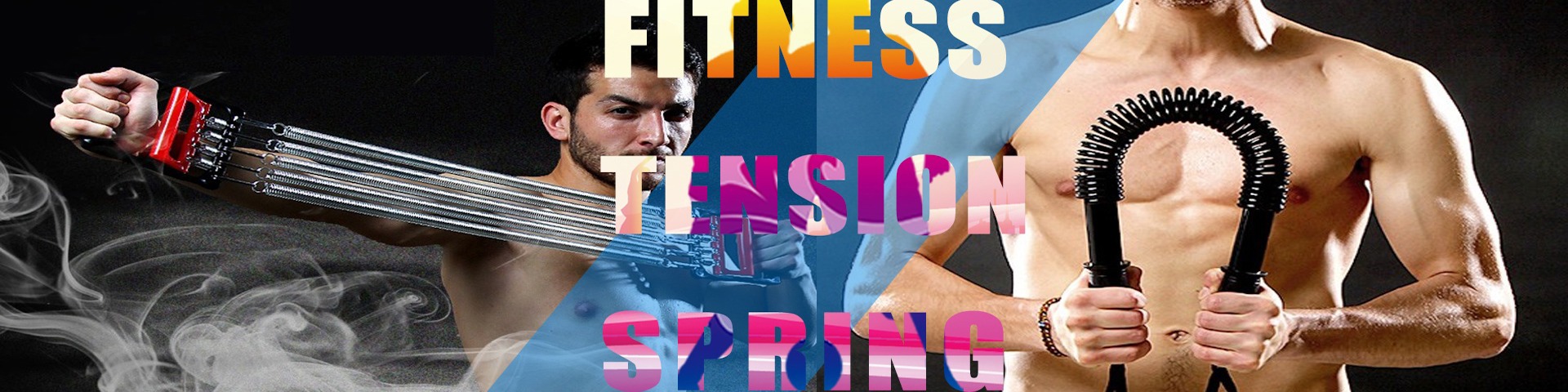


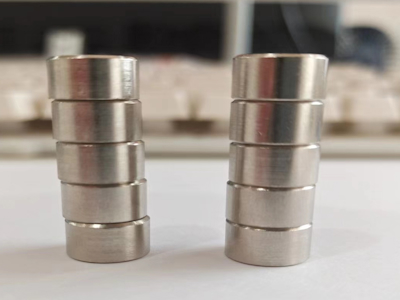
В мире механики и инженерии коррозия пружин остается одной из самых насущных проблем, приводящей к миллиардным потерям и угрозам безопасности. Но сегодня, благодаря инновационным технологиям, мы можем с уверенностью заявить: проблема коррозии пружин решена навсегда! В этой статье мы подробно разберем, как это стало возможным, какие методы используются, и почему это изменит будущее промышленности.
Введение: почему коррозия пружин так опасна?
Пружины являются незаменимыми компонентами в различных отраслях: от автомобилестроения и аэрокосмической индустрии до бытовой техники и медицинского оборудования. Они обеспечивают упругость, амортизацию и точность в механизмах. Однако, под воздействием влаги, химикатов или экстремальных температур, металлические пружины подвергаются коррозии — процессу разрушения материала, который снижает их прочность, упругость и срок службы.
Коррозия не только увеличивает затраты на обслуживание и замену, но и создает риски для безопасности. Например, в автомобильных подвесках корродированные пружины могут привести к авариям, а в промышленном оборудовании — к простоям производства. Традиционные методы защиты, такие как покраска или гальванизация, часто оказываются недостаточными, особенно в агрессивных средах.
Но теперь, с появлением передовых покрытий и материалов, мы можем навсегда забыть об этих проблемах. Давайте углубимся в детали.
История борьбы с коррозией: от древности до наших дней
Коррозия металлов известна человечеству с древних времен. Уже римляне использовали методы защиты, такие как покрытие оловом, чтобы предотвратить ржавление железа. В средние века кузнецы экспериментировали с маслами и смолами, но эти методы были примитивными и недолговечными.
В XIX веке с развитием химии появились более sophisticated подходы, включая гальванизацию (покрытие цинком) и хромирование. Эти методы значительно улучшили защиту, но все же имели ограничения: они могли отслаиваться, трескаться или терять эффективность под механическим напряжением.
В XX веке коррозия стала объектом интенсивных исследований. Ученые разработали ингибиторы коррозии — химические вещества, замедляющие процесс, а также улучшенные покрытия на основе полимеров. Однако, для пружин, которые подвергаются постоянным нагрузкам и деформациям, эти решения часто оказывались неидеальными.
К началу XXI века проблема оставалась актуальной. По данным международных организаций, ежегодные потери от коррозии в мировом масштабе превышают 2.5 триллиона долларов. Пружины, будучи критическими компонентами, вносили значительный вклад в эти убытки.
Но сегодня, благодаря нанотехнологиям и композитным материалам, мы достигли переломного момента. Новые покрытия не только защищают от коррозии, но и enhance mechanical properties, making springs more durable than ever.
Научные основы коррозии: что происходит на молекулярном уровне?
Чтобы понять, как решить проблему коррозии, важно разобраться в ее механизмах. Коррозия — это электрохимический процесс, при котором металл окисляется под воздействием окружающей среды. Для пружин, обычно изготовленных из сталей или сплавов, основными типами коррозии являются:
- Uniform corrosion: равномерное разрушение поверхности, часто вызванное влажностью или кислотами.
- Pitting corrosion: локальные углубления или ямы, которые могут резко снизить прочность пружины.
- Stress corrosion cracking: трещины, возникающие под combined action of tensile stress and corrosive environment, particularly dangerous for springs under load.
- Galvanic corrosion: occurs when two different metals are in contact, leading to accelerated degradation.
Эти процессы инициируются наличием электролита (e.g., water) и oxygen, forming an electrochemical cell. The metal acts as an anode, losing electrons and dissolving into ions. Traditional protections aim to break this circuit by providing a barrier or sacrificial layer.
However, for springs, the challenge is compounded by cyclic loading, which can cause protective coatings to fatigue and fail. This is where new technologies excel, offering coatings that are not only impermeable but also flexible and resilient.
Инновационные решения: как мы победили коррозию
The breakthrough in solving spring corrosion comes from a multi-faceted approach, combining advanced materials science, nanotechnology, and smart engineering. Here are the key innovations that have made eternal protection possible:
1. Нано-покрытия на основе графена и углеродных нанотрубок
Graphene, a single layer of carbon atoms arranged in a hexagonal lattice, is renowned for its exceptional strength, flexibility, and impermeability. When applied as a coating to springs, it forms a barrier that is virtually impenetrable to water, oxygen, and ions. Carbon nanotubes add reinforcement, enhancing mechanical properties without adding significant weight.
These nanomaterials are applied using techniques like chemical vapor deposition (CVD) or spray coating, ensuring uniform coverage even on complex spring geometries. Tests have shown that graphene-coated springs can withstand salt spray tests for over 10,000 hours without any signs of corrosion, compared to mere hundreds of hours for traditional coatings.
2. Композитные покрытия с самовосстанавливающимися свойствами
Inspired by biological systems, self-healing coatings contain microcapsules filled with healing agents (e.g., polymers or inhibitors). When the coating is damaged, these capsules rupture and release the agent, automatically repairing the breach. This is particularly valuable for springs, where minor scratches from use could otherwise lead to corrosion initiation.
For example, coatings with urea-formaldehyde microcapsules have been developed to provide long-term protection. In accelerated aging tests, such coatings maintained integrity after multiple damage-repair cycles, ensuring perpetual defense.
3. Высокоэффективные полимерные покрытия
Advanced polymers like fluoropolymers (e.g., PTFE) or polyurethane hybrids offer excellent chemical resistance and durability. These coatings are applied through electrostatic spray or dipping processes, creating a thick, elastic layer that withstands deformation without cracking.
Moreover, these polymers can be doped with corrosion inhibitors, providing active protection. For instance, coatings with embedded benzotriazole molecules continuously release inhibitors to neutralize corrosive agents, offering a dynamic defense mechanism.
4. Металлические покрытия нового поколения
While traditional galvanization uses zinc, new alloys like zinc-nickel or zinc-aluminum provide superior corrosion resistance. These coatings are applied through electroplating or thermal spray, forming a dense, adherent layer. They also offer cathodic protection, sacrificially corroding to protect the underlying steel.
Recent advancements include nanostructured metallic coatings, which have finer grains and better coverage. For springs, this means enhanced performance under stress and in harsh environments, such as marine or industrial settings.
5. Интегрированные системы мониторинга
To complement physical protections, smart springs embedded with sensors can monitor corrosion in real-time. These sensors detect changes in electrical resistance or pH, alerting users to potential issues before failure occurs. This proactive approach is ideal for critical applications like aerospace or energy infrastructure.
Combined, these technologies form a comprehensive solution that addresses corrosion from all angles, ensuring springs remain functional indefinitely.
Преимущества вечной защиты: почему это меняет правила игры
The elimination of spring corrosion brings numerous benefits across industries:
- Снижение затрат: Eliminates frequent replacements and maintenance, saving money over the product lifecycle. For example, in the automotive industry, corrosion-resistant springs can reduce warranty claims and improve vehicle longevity.
- Повышение безопасности: Prevents catastrophic failures in critical systems, such as braking systems or aircraft landing gear, enhancing overall safety.
- Экологичность: Reduces waste from discarded springs and the environmental impact of production and disposal. Many new coatings are also eco-friendly, using water-based formulations or recyclable materials.
- Улучшение производительности: Springs maintain their elastic properties longer, ensuring consistent performance in applications like precision instruments or renewable energy systems.
- Универсальность: These solutions can be tailored to specific environments, from high-humidity tropical regions to chemically aggressive industrial plants.
Case studies from early adopters show dramatic improvements. For instance, a manufacturer of agricultural machinery reported a 50% reduction in spring-related failures after switching to nano-coated springs, leading to higher customer satisfaction and reduced downtime.
Практическое применение: где это уже работает
The new anti-corrosion technologies are already being implemented in various sectors:
Автомобильная промышленность
In cars, springs are used in suspensions, valves, and seats. Corrosion here can lead to noisy rides or safety hazards. Major automakers are now incorporating graphene-based coatings into their supply chains. For example, Tesla has integrated smart springs with corrosion sensors in their electric vehicles, providing real-time diagnostics via the car's software.
Аэрокосмическая отрасль
Springs in aircraft must endure extreme conditions, including high altitudes and deicing chemicals. Boeing and Airbus are testing self-healing coatings on landing gear springs, with results showing no corrosion after simulated years of service.
Медицинское оборудование
In devices like surgical instruments or implantable devices, corrosion can cause contamination or failure. Medical-grade coatings that are biocompatible and corrosion-proof are becoming standard, ensuring patient safety.
Промышленность и инфраструктура
From oil rigs to bridges, springs play a role in machinery and structures. Corrosion-resistant springs are reducing maintenance costs and extending the life of infrastructure projects worldwide.
These applications demonstrate the versatility and effectiveness of the new solutions, paving the way for widespread adoption.
Как внедрить эти технологии: руководство для инженеров и производителей
Adopting eternal corrosion protection for springs involves several steps:
- Оценка потребностей: Analyze the operating environment (e.g., humidity, chemicals, temperature) to choose the appropriate coating technology.
- Выбор покрытия: Select from options like graphene for maximum barrier protection, self-healing coatings for high-risk areas, or metallic coatings for cost-effectiveness.
- Процесс нанесения: Work with specialized coating providers who use advanced application methods to ensure uniformity and adhesion.
- Тестирование и валидация: Conduct accelerated tests (e.g., salt spray, cyclic loading) to verify performance before full-scale implementation.
- Интеграция и мониторинг: For smart springs, integrate sensors with monitoring systems for ongoing maintenance.
Many companies offer turnkey solutions, making it easier for manufacturers to upgrade their spring production lines. The initial investment is offset by long-term savings and improved product quality.
Будущее технологий защиты от коррозии
The journey doesn't end here. Research is ongoing to develop even more advanced solutions:
- Биомиметические материалы: Inspired by natural systems like lotus leaves or mollusk shells, future coatings may offer superhydrophobicity or enhanced self-healing.
- Искусственный интеллект: AI algorithms could predict corrosion trends and optimize coating formulations based on real-world data.
- Устойчивое развитие: Focus on green coatings that use renewable resources and minimize environmental impact.
As these technologies evolve, the concept of 'eternal springs' will become commonplace, revolutionizing how we design and maintain mechanical systems.
Заключение: навсегда свободны от коррозии
Проблема коррозии пружин, которая веками мучила инженеров и производителей, наконец-то решена. Благодаря инновационным покрытиям, таким как наноматериалы, самовосстанавливающиеся системы и умные sensors, мы можем гарантировать долговечность и надежность пружин в любых условиях. Это не только экономит ресурсы, но и повышает безопасность и устойчивость across industries.
If you're involved in manufacturing or engineering, now is the time to explore these technologies. Embrace the future where corrosion is a thing of the past, and springs perform flawlessly forever.
For more information or to implement these solutions in your products, contact experts in advanced materials and coatings. Together, we can build a corrosion-free world.