 1388xx888xx




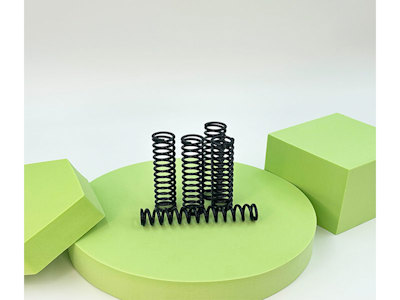
В современном мире здравоохранение переживает беспрецедентную трансформацию, driven by technological advancements that enhance diagnostic accuracy, treatment efficacy, and patient outcomes. Among these innovations, medical springs for devices stand out as a critical yet often overlooked component. These small but mighty elements are integral to the functionality of a wide range of medical instruments, from surgical tools to diagnostic equipment. This article delves into the revolutionary impact of medical springs on healthcare, exploring their scientific foundations, current applications, challenges, and future prospects. By examining how these components contribute to precision, reliability, and innovation, we can appreciate their role in shaping a healthier future for humanity.
Введение: Почему медицинские пружины имеют значение
Медицинские пружины, хотя и кажутся простыми механическими частями, являются основополагающими для многих медицинских приборов. Они обеспечивают необходимую силу, движение и стабильность, позволяя устройствам функционировать с высокой точностью. В контексте здравоохранения, где ошибки могут иметь серьезные последствия, надежность этих компонентов становится парамаунт. Например, в хирургических инструментах пружины обеспечивают плавное и контролируемое движение, reducing the risk of tissue damage and improving surgical outcomes. Similarly, in diagnostic devices like blood pressure monitors or imaging equipment, springs contribute to consistent performance, ensuring accurate readings that inform critical medical decisions.
The evolution of medical springs parallels advancements in materials science and engineering. Early springs were made from basic metals, but today, they are crafted from specialized alloys such as stainless steel, titanium, or nickel-titanium (Nitinol), which offer superior properties like corrosion resistance, biocompatibility, and shape memory. These materials enable springs to withstand harsh sterilization processes and repeated use without degradation, making them ideal for medical environments. Moreover, the miniaturization of medical devices, driven by trends like minimally invasive surgery and portable health monitors, has increased the demand for smaller, more precise springs. This has spurred innovations in manufacturing techniques, such as micro-machining and 3D printing, allowing for the production of springs with micron-level tolerances.
Beyond their technical attributes, medical springs play a crucial role in cost-effectiveness and sustainability in healthcare. Durable springs extend the lifespan of medical devices, reducing the need for frequent replacements and lowering overall healthcare costs. Additionally, their use in disposable devices, though sometimes controversial, can enhance hygiene and prevent cross-contamination, particularly in settings like hospitals where infection control is paramount. As healthcare systems worldwide grapple with rising costs and increasing patient loads, the efficiency gains from reliable spring components cannot be overstated.
This article aims to provide a comprehensive exploration of how medical springs are revolutionizing healthcare. We will start by examining the scientific principles behind spring design and material selection, then delve into specific applications across various medical fields. We will also address the challenges faced in this domain, such as regulatory hurdles and material limitations, and conclude with a look at future trends, including smart springs and integration with digital health technologies. Through this journey, we hope to highlight the indispensable role of these small components in the grand scheme of medical innovation.
Научные основы медицинских пружин
Понимание научных основ медицинских пружин начинается с принципов механики и материаловедения. Пружины функционируют на основе закона Гука, который states that the force exerted by a spring is proportional to its displacement from equilibrium. This fundamental principle allows engineers to design springs with specific force-deflection characteristics tailored to medical applications. For instance, in a syringe pump, a spring must provide a constant force to deliver medication at a precise rate, requiring careful calibration of its spring constant (k-value). Advanced computational models, such as finite element analysis (FEA), are used to simulate spring behavior under various loads, ensuring optimal performance before manufacture.
Material selection is another critical aspect. Medical springs must be made from materials that are not only mechanically robust but also biocompatible and resistant to corrosion. Stainless steel alloys, particularly 316L, are widely used due to their excellent corrosion resistance and strength. For applications requiring flexibility and shape memory, Nitinol is preferred; it can return to its original shape after deformation, making it ideal for devices like stents or orthodontic braces. Additionally, polymers and composite materials are emerging as alternatives for specific uses, offering lighter weight and reduced risk of metal allergies. The choice of material impacts the spring's longevity, especially when exposed to bodily fluids or sterilization methods like autoclaving, which involves high temperatures and pressures.
Manufacturing processes have evolved to meet the stringent demands of medical applications. Traditional methods like coiling and stamping are still used, but additive manufacturing (3D printing) is gaining traction for producing complex spring geometries with high precision. This allows for custom-designed springs that fit unique device requirements, such as those in implantable medical devices. Quality control is paramount; springs must undergo rigorous testing for fatigue life, corrosion resistance, and dimensional accuracy. Standards set by organizations like ISO (International Organization for Standardization) and FDA (Food and Drug Administration) ensure that medical springs meet safety and efficacy criteria, protecting patients from potential failures.
Biomechanical considerations also play a role in spring design. In devices that interact with the human body, such as prosthetic limbs or surgical robots, springs must mimic natural movements and forces. This requires interdisciplinary collaboration between engineers, material scientists, and medical professionals to optimize designs. For example, in a robotic surgical system, springs provide haptic feedback, allowing surgeons to 'feel' the tissue they are operating on, enhancing precision and reducing errors. The integration of sensors with springs is a growing trend, enabling real-time monitoring of spring performance and device functionality, which can alert users to maintenance needs or potential failures.
In summary, the science behind medical springs is a blend of physics, materials engineering, and biomedical principles. Continued research in this area is driving innovations that make medical devices more reliable, efficient, and patient-friendly. As we move forward, advancements in nanotechnology and smart materials promise to further enhance the capabilities of medical springs, paving the way for even greater contributions to healthcare.
Применения в диагностике и мониторинге
Медицинские пружины находят широкое применение в диагностических и мониторинговых приборах, где точность и надежность имеют решающее значение. В устройствах для измерения кровяного давления, например, пружины используются в манжетах для обеспечения равномерного нагнетания и сброса давления, что позволяет получить точные показания. Это особенно важно в условиях гипертонии, where inaccurate measurements can lead to misdiagnosis and improper treatment. Similarly, in spirometers for lung function testing, springs help maintain consistent airflow resistance, enabling accurate assessment of respiratory health.
Imaging equipment, such as MRI and CT scanners, relies on springs for various mechanical functions. In MRI machines, springs are used in patient positioning systems to allow smooth and precise movement of the table, ensuring that scans are taken from the correct angles without causing discomfort to the patient. In portable ultrasound devices, miniature springs contribute to the probe's flexibility and durability, allowing healthcare providers to perform exams in remote or emergency settings. The reliability of these springs directly impacts the quality of diagnostic images, which are essential for detecting conditions like tumors, fractures, or cardiovascular issues.
Another emerging application is in wearable health monitors. Devices like smartwatches and fitness trackers often incorporate springs in their bands or internal mechanisms to ensure a secure fit and accurate sensor contact with the skin. For instance, in ECG monitors, springs help maintain electrode pressure, improving signal quality for heart rate monitoring. This trend towards personalized and continuous health monitoring is revolutionizing preventive care, enabling early detection of abnormalities and timely interventions. Springs in these devices must be designed for comfort and long-term wear, often using materials that are hypoallergenic and resistant to sweat and environmental factors.
Laboratory equipment also benefits from medical springs. In automated analyzers for blood tests, springs are used in sample handling systems to control the movement of pipettes and reagents, ensuring precision in liquid dispensing. This reduces human error and increases throughput, which is crucial in high-volume diagnostic labs. Additionally, in point-of-care testing devices, springs enable quick and reliable operation, making diagnostics accessible in resource-limited settings. The COVID-19 pandemic highlighted the importance of such devices, where rapid and accurate testing relied on robust mechanical components like springs.
Overall, the role of medical springs in diagnosis and monitoring is multifaceted, enhancing the accuracy, efficiency, and accessibility of healthcare. As technology advances, we can expect to see more integrated systems where springs work in tandem with electronic sensors and AI algorithms to provide comprehensive health insights. This not only improves patient outcomes but also reduces the burden on healthcare systems by enabling earlier and more precise diagnostics.
Роль в хирургии и лечении
В хирургии медицинские пружины являются незаменимыми компонентами многих инструментов и устройств, способствуя повышению точности и снижению инвазивности procedures. In laparoscopic surgery, for example, springs are used in graspers and scissors to provide the necessary force for cutting and holding tissue with minimal effort from the surgeon. This reduces fatigue and allows for more delicate maneuvers, which is critical in procedures involving sensitive areas like the brain or heart. The use of springs in these instruments has enabled the shift towards minimally invasive surgery, which offers benefits such as smaller incisions, reduced pain, and faster recovery times for patients.
Implantable devices represent another significant application. Cardiovascular stents, which are used to keep arteries open, often incorporate springs made from materials like Nitinol. These springs can be compressed for insertion and then expand to their intended shape once in place, providing structural support without the need for complex mechanisms. Similarly, in orthopedic surgery, springs are used in devices like spinal implants or external fixators to apply controlled forces for bone alignment and healing. The biocompatibility and durability of these springs are vital, as they must function within the body for extended periods without causing adverse reactions.
Drug delivery systems also leverage medical springs. In auto-injectors for emergencies, such as epinephrine pens for allergic reactions, a spring mechanism delivers the medication quickly and consistently, ensuring that patients receive the correct dose without delay. Insulin pumps use springs to control the infusion of insulin, providing continuous and precise therapy for diabetes management. These applications highlight how springs contribute to patient safety and treatment efficacy, particularly in scenarios where manual administration might be error-prone or impractical.
Robotic surgery is an area where springs play a transformative role. Surgical robots, like the da Vinci system, use numerous springs in their arms and instruments to replicate human hand movements with enhanced precision and stability. Springs provide haptic feedback, allowing surgeons to sense resistance and adjust their technique accordingly. This reduces the risk of complications and improves outcomes in complex procedures. As robotic surgery becomes more widespread, the demand for high-performance springs will continue to grow, driving innovations in design and materials.
In rehabilitation and physical therapy, springs are used in devices like prosthetic limbs and assistive devices. For instance, in a prosthetic knee joint, springs help mimic the natural gait by storing and releasing energy during walking. This improves mobility and comfort for amputees. In therapeutic exercise equipment, springs provide adjustable resistance, enabling personalized rehabilitation programs. These applications demonstrate how medical springs extend beyond acute care into long-term health management, enhancing quality of life for patients with chronic conditions.
The integration of springs in surgical and treatment devices underscores their importance in modern healthcare. By enabling more precise, less invasive, and more effective interventions, they contribute significantly to reducing morbidity and mortality. Future developments, such as bioabsorbable springs that dissolve after serving their purpose, promise to further revolutionize this field, minimizing the need for additional surgeries and improving patient experiences.
Вызовы и ограничения
Несмотря на многочисленные преимущества, разработка и внедрение медицинских пружин сталкиваются с несколькими вызовами. Одним из основных является обеспечение биосовместимости и долговечности. Пружины, используемые в имплантируемых устройствах, должны withstand the corrosive environment of the human body without eliciting immune responses. Even with advanced materials like titanium alloys, there is a risk of metallosis or allergic reactions in some patients. Ongoing research is focused on developing coatings or alternative materials, such as biodegradable polymers, to mitigate these issues. However, these innovations must balance performance with safety, requiring extensive testing and regulatory approval.
Regulatory hurdles are another significant challenge. Medical devices, including their spring components, must comply with stringent regulations from bodies like the FDA in the U.S. or the European Medicines Agency (EMA) in Europe. The process of obtaining approval can be time-consuming and costly, involving clinical trials and documentation of every aspect of design and manufacturing. For small springs used in critical applications, even minor deviations in specifications can lead to rejection, emphasizing the need for rigorous quality control. This regulatory landscape can slow down innovation, particularly for startups or companies developing novel spring technologies.
Technical limitations also exist. The miniaturization of springs for devices like micro-robots or nanoscale implants pushes the boundaries of current manufacturing capabilities. Producing springs with micron-level precision requires advanced techniques like photolithography or laser machining, which can be expensive and not easily scalable. Additionally, springs are subject to fatigue over time, especially in applications involving cyclic loading, such as in heart valve mechanisms. Predicting and testing fatigue life is complex, and failures can have dire consequences, necessitating robust design protocols and redundant safety features.
Cost considerations are paramount, especially in resource-limited healthcare settings. High-performance springs made from specialized materials can increase the overall cost of medical devices, making them less accessible to populations in developing countries. There is a need for cost-effective alternatives without compromising quality. For example, using standardized spring designs across multiple devices can reduce production costs through economies of scale. However, this must be balanced against the need for customization in specific medical applications.
Environmental and sustainability concerns are increasingly relevant. The production of medical springs often involves energy-intensive processes and the use of rare metals, contributing to environmental degradation. Additionally, many medical devices are single-use, leading to waste management issues. Efforts are underway to develop recyclable or reusable springs, but this requires changes in device design and sterilization practices. The healthcare industry is gradually adopting green manufacturing principles, but progress is slow due to the high stakes involved in patient safety.
Addressing these challenges requires collaboration across disciplines—engineering, medicine, regulatory affairs, and environmental science. By fostering innovation and adopting a holistic approach, the industry can overcome these obstacles and continue to harness the full potential of medical springs. Initiatives like open-source design platforms and public-private partnerships can accelerate progress, ensuring that these vital components remain at the forefront of healthcare advancement.
Будущие тенденции и инновации
Будущее медицинских пружин promises exciting innovations that will further revolutionize healthcare. One prominent trend is the development of smart springs integrated with sensors and IoT (Internet of Things) technology. These springs can monitor their own performance, detecting wear and tear or changes in load, and transmit data to healthcare providers for predictive maintenance. For instance, in an implantable device, a smart spring could alert doctors to potential failures before they occur, preventing emergencies and reducing the need for invasive interventions. This aligns with the broader movement towards connected health, where devices communicate seamlessly to provide continuous care.
Advancements in materials science will drive the next wave of innovation. Research into shape-memory alloys beyond Nitinol, such as those based on copper or iron, could offer new possibilities for springs that change properties in response to temperature or magnetic fields. Bioabsorbable materials are another area of focus; springs made from polymers like polylactic acid (PLA) can gradually dissolve in the body after fulfilling their function, eliminating the need for removal surgeries. This is particularly beneficial pediatric applications or temporary implants, reducing patient trauma and healthcare costs.
Additive manufacturing (3D printing) will continue to transform spring production. With 3D printing, it is possible to create springs with complex geometries that are impossible to achieve with traditional methods. This allows for custom-tailored springs for individual patients, improving fit and functionality in devices like orthopedic implants or dental braces. Moreover, 3D printing can reduce waste and lead times, making spring manufacturing more sustainable and efficient. As printer resolutions improve, we may see springs at the nanoscale for applications in targeted drug delivery or neural interfaces.
The integration of artificial intelligence (AI) and machine learning with spring design is another frontier. AI algorithms can optimize spring parameters based on vast datasets of performance metrics, leading to designs that are more efficient and reliable. For example, in robotic surgery, AI could adjust spring tensions in real-time to adapt to different tissue types, enhancing precision. Additionally, AI-driven simulation tools can predict spring behavior under various conditions, reducing the need for physical prototyping and accelerating the development cycle.
Global health initiatives will also shape the future of medical springs. As healthcare becomes more democratized, there is a growing demand for affordable and durable springs for use in low-resource settings. Innovations like spring-based diagnostic devices that require no electricity or complex maintenance could make healthcare accessible to underserved populations. Collaborations between developed and developing countries can foster the exchange of knowledge and resources, ensuring that advancements benefit all humanity.
In conclusion, the future of medical springs is bright, with trends pointing towards smarter, more adaptable, and more sustainable components. By embracing these innovations, the healthcare industry can continue to improve patient outcomes, reduce costs, and address global health challenges. The humble spring, though small, will remain a giant in the ongoing revolution of medical technology.
Заключение: Значение для глобального здравоохранения
Медицинские пружины, хотя часто остаются незамеченными, играют pivotal role in the advancement of global healthcare. From enhancing diagnostic accuracy to enabling minimally invasive surgeries, these components contribute significantly to improving patient care and outcomes. Their evolution reflects broader trends in technology and medicine, emphasizing precision, reliability, and innovation. As we have explored, the scientific foundations, diverse applications, and ongoing challenges highlight the complexity and importance of this field.
The impact of medical springs extends beyond individual devices to entire healthcare systems. By increasing the efficiency and longevity of medical equipment, they help reduce operational costs and make healthcare more affordable and accessible. In regions with limited resources, durable and simple spring-based devices can bridge gaps in care, providing life-saving diagnostics and treatments where advanced technology is unavailable. This democratization of health technology is essential for achieving global health equity, as outlined in initiatives like the United Nations Sustainable Development Goals.
Looking ahead, the continued innovation in medical springs will be driven by interdisciplinary collaboration. Engineers, doctors, scientists, and policymakers must work together to address challenges such as regulatory barriers, material limitations, and sustainability concerns. By fostering a culture of innovation and inclusivity, we can ensure that the benefits of these advancements reach everyone, regardless of geography or socioeconomic status.
In summary, medical springs are not just mechanical parts; they are enablers of a healthier future. Their role in the healthcare revolution underscores the importance of paying attention to even the smallest components in complex systems. As technology progresses, we can expect medical springs to become even more integral to medical devices, contributing to breakthroughs that save lives and improve quality of life worldwide. Let us continue to support and invest in this critical area, recognizing that sometimes, the biggest revolutions start with the smallest springs.
Эта статья предоставлена в образовательных целях и не заменяет профессиональные медицинские консультации. Всегда консультируйтесь с healthcare providers для медицинских решений.