 1388xx888xx


В мире технологий, где внимание часто приковано к процессорам, экранам и батареям, легко упустить из виду мельчайшие, но критически важные компоненты, которые обеспечивают бесперебойную работу наших любимых гаджетов. Одним из таких героев являются пружины – простые, элегантные механические элементы, которые играют ключевую роль в долговечности, надежности и общей производительности устройств. В этой статье мы подробно рассмотрим, почему пружины являются незаменимым ключом к долговечности гаджетов, исследуя их функции, инженерные принципы, практические применения и будущие тенденции. Присоединяйтесь к нам в этом путешествии, чтобы открыть для себя скрытую магию, которая делает ваши устройства долговечными и эффективными.
Введение: Невидимые герои в мире гаджетов
Гаджеты, от смартфонов и ноутбуков до умных часов и игровых консолей, стали неотъемлемой частью нашей повседневной жизни. Мы зависим от них для связи, работы, развлечений и многого другого. Однако за гладкими поверхностями и яркими дисплеями скрывается сложная сеть компонентов, каждый из которых вносит свой вклад в общую функциональность. Среди них пружины часто остаются в тени, но их значение невозможно переоценить. Эти упругие элементы, изготовленные из таких материалов, как сталь, титан или даже композиты, предназначены для поглощения энергии, обеспечения возвратного движения и поддержания структурной целостности. Без них гаджеты были бы хрупкими, ненадежными и подверженными частым поломкам. В этой статье мы углубимся в науку и искусство пружин, демонстрируя, как они повышают долговечность через инновационный дизайн, rigorous testing, and adaptive engineering. Мы также рассмотрим реальные примеры из индустрии, где пружины спасали устройства от преждевременного выхода из строя, и заглянем в будущее, где умные пружины могут революционизировать то, как мы взаимодействуем с технологиями. К концу вы поймете, что инвестирование в качественные пружины – это не просто техническая деталь, а стратегическое решение для создания гаджетов, которые выдерживают испытание временем.
Основы пружин: Как они работают и почему это важно
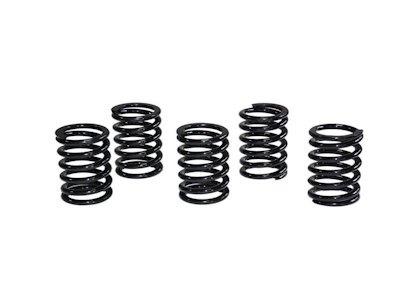
Пружины – это механические устройства, которые хранят и释放能量 при деформации. Их работа основана на законе Гука, который states that the force exerted by a spring is proportional to its displacement from equilibrium. This simple yet powerful principle allows springs to perform a variety of functions in gadgets, such as absorbing shock, providing tension, and maintaining contact between components. There are several types of springs commonly used in electronics, including compression springs, extension springs, torsion springs, and constant-force springs. Each type is tailored to specific applications based on the required force, deflection, and environmental conditions. For instance, compression springs are often found in buttons and switches, where they ensure consistent tactile feedback and longevity. Extension springs might be used in retractable cables or hinges, while torsion springs are ideal for mechanisms that require rotational force, like in folding smartphones or laptop hinges. The materials used for springs are carefully selected to balance strength, elasticity, and corrosion resistance. High-carbon steel, stainless steel, and alloys like music wire are popular choices due to their durability and ability to withstand repeated cycles of loading and unloading. In gadgets, where space is limited and demands are high, springs must be precision-engineered to exact specifications. Even a minor deviation in spring rate or fatigue life can lead to premature failure, highlighting why quality control is paramount. By understanding these basics, we can appreciate how springs contribute to the overall robustness of devices, preventing issues like button failure, hinge looseness, or connector wear that could shorten a gadget's lifespan.
Роль пружин в повышении долговечности: Механизмы и преимущества
Долговечность гаджетов зависит от их способности выдерживать повседневные нагрузки, environmental stresses, and the test of time. Springs play a multifaceted role in enhancing durability through several key mechanisms. First, they act as shock absorbers, protecting delicate internal components from impacts and vibrations. For example, in smartphones, miniature springs in the vibration motor or camera mechanisms help dampen shocks, reducing the risk of damage from drops or rough handling. Second, springs provide consistent force and movement, ensuring that moving parts like buttons, sliders, and hinges operate smoothly over thousands of cycles. This reduces wear and tear on other components, such as electrical contacts or plastic housings, which might otherwise degrade quickly. Third, springs contribute to structural integrity by maintaining pressure and alignment in assemblies. In laptops, springs in the keyboard mechanism ensure that keys return to their position reliably, preventing misfires and extending the life of the keyboard. Additionally, springs can compensate for thermal expansion and contraction, which is common in devices that heat up during use, thus preventing warping or cracking. The benefits of using high-quality springs are evident in reduced warranty claims, lower repair costs, and higher customer satisfaction. Brands that prioritize spring design often see their gadgets lasting years longer than competitors', as seen in products from companies like Apple or Samsung, where attention to detail in mechanical components sets them apart. By investing in advanced spring technologies, such as fatigue-resistant alloys or custom-shaped springs, manufacturers can create gadgets that not only perform better but also endure harsh conditions, from extreme temperatures to mechanical abuse. This proactive approach to durability through spring integration is a smart strategy for building trust and loyalty among consumers who value longevity in their investments.
Примеры из реального мира: Как пружины спасают гаджеты
To illustrate the critical role of springs, let's explore some real-world examples where they have made a significant difference in gadget longevity. Take the hinge mechanism in a foldable smartphone, such as the Samsung Galaxy Z Fold series. Here, torsion springs are used to provide the necessary force for smooth opening and closing, while also absorbing stress to prevent hinge failure over time. Without these springs, the device would likely suffer from loosening or breaking after repeated use, leading to expensive repairs or replacements. Another example is in gaming controllers, like the PlayStation DualSense or Xbox controller. Springs in the trigger buttons and analog sticks ensure precise feedback and resilience against aggressive gaming sessions. These springs are designed to handle millions of cycles, ensuring that the controller remains responsive even after years of intense use. In laptops, springs in the display hinge allow for easy adjustment while maintaining stability, preventing the screen from wobbling or detaching. Companies like Lenovo and Dell often highlight their hinge designs as a key durability feature, thanks to robust spring systems. Even in smaller gadgets, such as wireless earbuds, springs in the charging case lid or connector mechanisms ensure reliable operation and protection against wear. Case studies from repair industries show that gadgets with well-designed springs have lower failure rates for mechanical parts compared to those with inferior components. For instance, iFixit teardowns frequently praise devices with accessible and durable spring-based mechanisms, as they are easier to repair and last longer. These examples demonstrate that springs are not just ancillary parts but essential elements that can make or break a gadget's lifespan, underscoring why manufacturers should never compromise on their quality.
Инновации в технологии пружин: Будущее долговечности
The future of springs in gadgets is bright, with ongoing innovations aimed at enhancing durability even further. Advances in materials science are leading to the development of smarter, more resilient springs. For example, shape memory alloys (SMAs) like Nitinol can 'remember' their original shape after deformation, offering self-healing properties that could reduce wear in high-stress applications. Researchers are also exploring composite materials and 3D printing techniques to create custom springs with optimized properties for specific gadgets, allowing for lighter weight and better performance. In the realm of IoT and smart devices, springs are being integrated with sensors to monitor their condition in real-time. Imagine a spring that can alert you when it's nearing the end of its fatigue life, enabling proactive maintenance before failure occurs. This could be particularly useful in critical gadgets like medical devices or automotive electronics. Additionally, environmental sustainability is driving innovation, with efforts to create springs from recycled materials or designs that are easier to disassemble and recycle at end-of-life. Companies are also focusing on miniaturization, developing microscopic springs for use in wearables and implantable gadgets, where space is at a premium but durability is non-negotiable. Looking ahead, we might see springs that adapt their stiffness based on usage patterns, using AI and machine learning to optimize performance over time. These trends not only promise longer-lasting gadgets but also align with the growing consumer demand for sustainable and repairable products. By embracing these innovations, the industry can continue to push the boundaries of what's possible, ensuring that springs remain a key enabler of durability in the ever-evolving world of technology.
Заключение: Инвестируйте в долговечность с помощью пружин
В заключение, пружины – это гораздо больше, чем простые механические компоненты; они являются жизненно важными элементами, которые определяют долговечность и надежность наших гаджетов. От поглощения ударов и обеспечения согласованного движения до поддержания структурной целостности, их вклад невозможно переоценить. Как мы видели, качественные пружины могут significantly extend the life of devices, reduce maintenance costs, and enhance user satisfaction. As technology advances, innovations in spring design will continue to play a pivotal role in creating gadgets that are not only powerful and stylish but also built to last. For consumers, this means choosing brands that prioritize these details, and for manufacturers, it underscores the importance of investing in high-quality mechanical components. By recognizing the value of springs, we can all contribute to a future where gadgets are more durable, sustainable, and dependable. So next time you use your smartphone, laptop, or any other device, remember the unsung heroes – the springs – working tirelessly behind the scenes to keep everything running smoothly. Embrace the key to durability, and let's build a world where technology stands the test of time.