 1388xx888xx
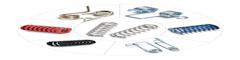

Вы когда-нибудь задумывались, как создаются те невероятные пружины, которые вы видите в высокотехнологичных устройствах или экзотических машинах? Пружины с уникальными формами, которые кажутся почти магическими в своей способности изгибаться и возвращаться в исходное состояние. В этой статье мы погрузимся в увлекательный мир изготовления экзогических пружин, отвечая на вопросы, которые могут возникнуть у любознательных умов. От выбора материалов до сложных производственных процессов – мы раскроем все секреты. Приготовьтесь к глубокому исследованию, которое не только удовлетворит ваше любопытство, но и предоставит практические знания для инженеров и энтузиастов.
Что такое экзогические пружины и почему их форма так важна?
Экзогические пружины – это не просто обычные спирали или витки; они представляют собой специализированные компоненты, разработанные для конкретных применений, где стандартные пружины не справляются. Их уникальная форма может включать в себя нестандартные изгибы, переменные шаги или даже трехмерные конструкции. Почему форма так критична? Потому что она напрямую влияет на характеристики пружины, такие как жесткость, долговечность и способность поглощать удары. Например, в аэрокосмической отрасли пружины должны выдерживать экстремальные температуры и вибрации, а их форма оптимизирована для минимального веса и максимальной эффективности. В медицинских устройствах уникальные формы позволяют пружинам работать в ограниченных пространствах, обеспечивая точность и надежность. Таким образом, процесс изготовления начинается с тщательного проектирования, где инженеры используют компьютерное моделирование (например, метод конечных элементов) для прогнозирования поведения пружины под нагрузкой. Это гарантирует, что конечный продукт будет не только функциональным, но и безопасным.
Какие материалы используются для изготовления таких пружин?
Выбор материала – фундаментальный аспект изготовления экзогических пружин. Почему? Потому что разные материалы предлагают различные свойства: прочность, коррозионная стойкость, упругость и стоимость. Обычно для пружин применяются высокоуглеродистые стали, такие как музыкальная проволока или нержавеющая сталь, но для экзогических вариантов могут использоваться экзотические сплавы, включая титан, нихром или даже полимерные композиты. Титан, например, легкий и коррозионно-стойкий, идеален для аэрокосмических применений, где каждый грамм на счету. Нихром устойчив к высоким температурам, что делает его подходящим для печей или электронных устройств. Полимерные пружины, хотя и менее прочные, предлагают преимущества в химической стойкости и бесшумности, что важно в медицинских или пищевых отраслях. Процесс начинается с закупки сырья в виде проволоки или прутков, которые затем подвергаются контролю качества для обеспечения однородности. Материал должен иметь определенные механические свойства, такие как предел упругости и усталостная прочность, чтобы выдерживать многократные циклы нагрузки. Это подчеркивает, насколько критичен правильный выбор материала для достижения уникальной формы и функциональности.
Как технологии изготовления evolved для создания уникальных форм?
Технологии изготовления пружин значительно продвинулись за последние десятилетия, позволяя создавать формы, которые ранее были невозможны. Традиционные методы, такие как холодная навивка или горячая формовка, все еще используются, но они дополнены современными подходами, включая 3D-печать и ЧПУ-обработку. Холодная навивка involves winding wire at room temperature using CNC machines, which can program complex shapes with high precision. This is ideal for mass production of standardized unique forms. Hot forming, on the other hand, involves heating the material to make it more malleable, allowing for more drastic shapes but requiring careful cooling to avoid internal stresses. For truly exotic shapes, additive manufacturing (3D printing) has revolutionized the field. Using metals or polymers, 3D printers can build springs layer by layer, enabling geometries that are impossible with subtractive methods. For instance, springs with internal channels or variable stiffness can be produced for customized applications in robotics or biomedical devices. Additionally, post-processing techniques like heat treatment (annealing or tempering) are crucial to relieve stresses and enhance durability. The evolution of these technologies means that manufacturers can now respond quickly to custom orders, reducing lead times and costs while increasing innovation. This technological leap answers the question of how we achieve such precision and variety in spring forms today.
Какие этапы involved в процессе производства?
Процесс изготовления экзогических пружин – это многоэтапный journey, требующий внимания к деталям на каждом шаге. It begins with design and prototyping, where engineers use CAD software to model the spring and simulate its performance. Once the design is finalized, the material is prepared – cut to length and cleaned to remove any impurities. The forming stage is where the unique shape takes life: using CNC winding machines for wire-based springs or 3D printers for additive ones. For complex shapes, multiple forming passes might be necessary, with intermediate heat treatments to prevent cracking. After forming, the spring undergoes heat treatment to set its mechanical properties; this involves heating to a specific temperature and then cooling slowly or rapidly depending on the material. Quenching and tempering are common for steel springs to achieve the desired hardness and elasticity. Next, surface finishing is applied – processes like shot peening to improve fatigue resistance or coating with materials like zinc or epoxy for corrosion protection. Quality control is integral throughout; each spring is tested for dimensions, load capacity, and durability using instruments like tensile testers or fatigue machines. Finally, packaging and shipping ensure that the springs reach customers without damage. This meticulous process ensures that every exotic spring meets strict standards, answering how reliability is maintained despite complex forms.
Где применяются эти пружины и каковы их преимущества?
Экзогические пружины находят применение в myriad индустриях, благодаря своим уникальным свойствам. В automotive sector, они used in suspension systems or transmission components, where custom shapes allow for better space utilization and improved performance. In aerospace, springs with unique forms are critical for landing gear or control surfaces, offering weight savings and high reliability under extreme conditions. The medical field benefits from miniaturized springs in devices like insulin pumps or surgical instruments, where precision and biocompatibility are paramount. Even in consumer electronics, such as smartphones or laptops, tiny springs with exotic shapes provide tactile feedback in buttons or hinges. The advantages are clear: enhanced functionality, reduced size and weight, and increased longevity. For example, a spring with a variable pitch can provide progressive resistance, adapting to different loads without failure. This makes them indispensable in innovations like renewable energy systems, where they might be used in wind turbine mechanisms. The versatility of these springs answers why investment in their manufacturing is growing, driving advancements across multiple sectors.
Каковы будущие тенденции в изготовлении экзогических пружин?
Будущее изготовления экзогических пружин looks promising, с emerging тенденциями, ориентированными на sustainability, customization, and smart materials. Additive manufacturing will continue to evolve, allowing for even more complex shapes and integration of sensors directly into springs for real-time monitoring of stress and wear. The use of biodegradable or recycled materials is gaining traction, aligning with global environmental goals. For instance, springs made from bio-based polymers could reduce carbon footprint in disposable medical devices. Additionally, AI and machine learning are being integrated into design processes, enabling predictive analytics to optimize spring forms for specific applications without extensive prototyping. Another trend is the development of multi-functional springs that can act as energy harvesters or actuators, expanding their role beyond mere mechanical components. These advancements will make exotic springs more accessible and efficient, answering the growing demand for innovation in industries like robotics, IoT, and green technology. As technology progresses, we can expect springs that are not only uniquely shaped but also smarter and more sustainable, revolutionizing how we think about this fundamental mechanical element.
В заключение, изготовление экзогических пружин с уникальной формой – это сложный, но rewarding процесс, combining advanced materials, cutting-edge technologies, and meticulous craftsmanship. From design to application, every step is tailored to meet specific needs, ensuring that these springs perform reliably in the most demanding environments. Whether you're an engineer, a student, or simply curious, understanding this process opens up a world of possibilities for innovation. So next time you encounter a spring in an unusual device, remember the intricate journey it took to come to life. Keep exploring and questioning – the future of springs is bound to be even more exciting!